Every service is designed to travel.
From a permanent centre to a tent at a county referral hospital, the same standard of care, everywhere we go.
Orthotics
Orthotics are custom-made or custom-fitted external devices, braces, splints, supports, and specialised footwear that support, correct, or protect a person's musculoskeletal system.
Who it's for: people living with conditions such as clubfoot, cerebral palsy, post-stroke weakness, spinal deformity, joint instability, or injury-related mobility loss, across all ages.
Why it matters
An orthosis fitted early, especially in children, can prevent a lifelong deformity from ever fully developing. Delay is often the real disability.
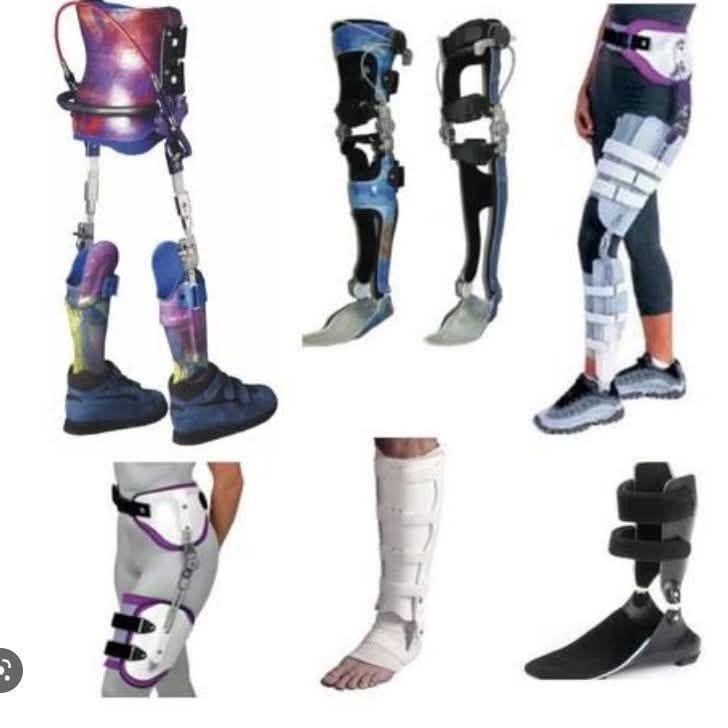
- 01Clinical assessment and diagnosis by a qualified orthotist.
- 02Measurement, casting or scanning of the affected limb or joint.
- 03Fabrication of a custom device.
- 04Fitting, adjustment, and gait/movement training.
- 05Scheduled follow-up as the patient grows, heals, or changes.
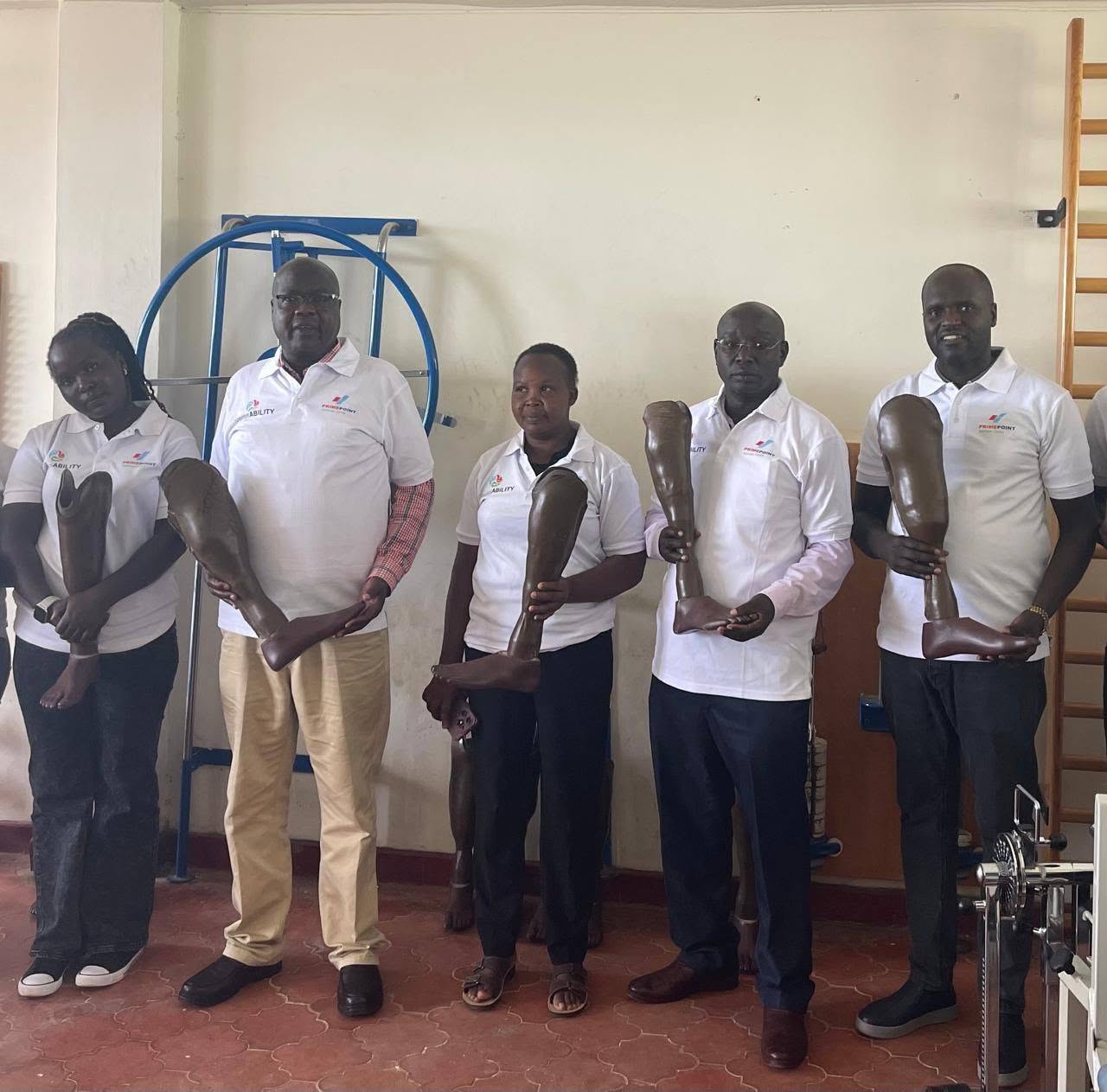
- 01Assessment of the residual limb, health status, and mobility goals.
- 02Casting/measurement and socket design.
- 03Fabrication and alignment of the prosthesis.
- 04Fitting, gait training, and rehabilitation support.
- 05Long-term follow-up, socket adjustment, and eventual device replacement.
Prosthetics
Prosthetics are artificial limbs, fitted and aligned to replace a missing limb and restore function, balance, and independence.
Who it's for: people with limb loss from congenital conditions, trauma, infection, or diabetes-related amputation.
Why it matters
A well-fitted prosthesis is the difference between a person returning to work, school and daily life, or being confined by a limitation a device could have solved.
Mobility Assistive Devices
Mobility assistive devices include wheelchairs, crutches, walking frames, and other aids that restore everyday independence and movement for people with physical impairments.
Who it's for: people with temporary or permanent mobility limitations, including those recovering from injury, living with chronic conditions, or aging with reduced mobility.
Why it matters
The right mobility device can restore independence, prevent falls, and enable participation in work, school, and community life. Without it, many people become isolated and dependent.
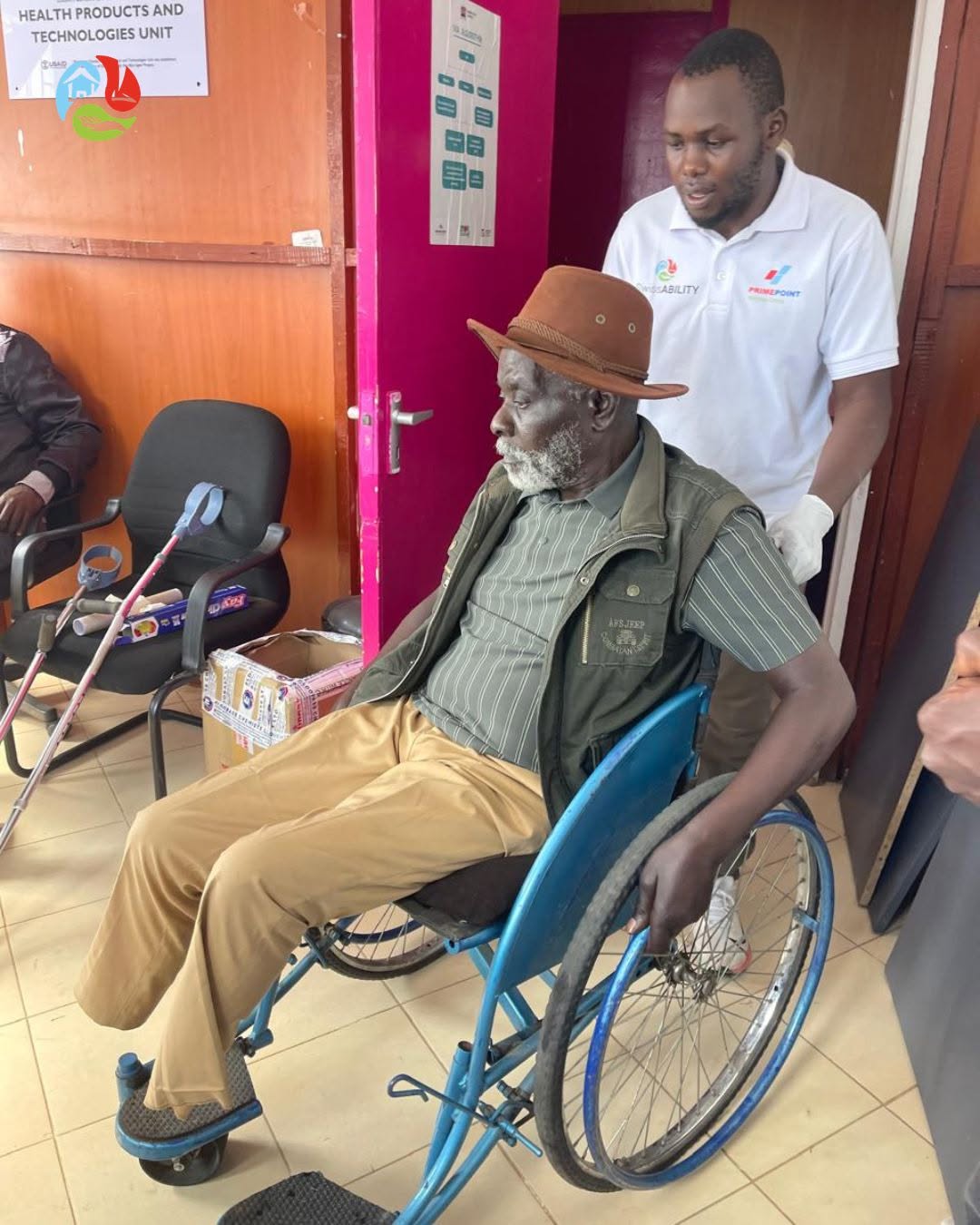
- 01Comprehensive needs assessment by a qualified clinician.
- 02Selection and measurement of the appropriate assistive device.
- 03Custom fitting and adjustment for optimal comfort and function.
- 04Training on proper use, maintenance, and safety.
- 05Regular follow-up and device maintenance or replacement as needed.
Outreach Programs
Mobile clinics that bring assessment, device fitting, and referral services directly into counties that do not yet have a permanent Prime Point centre.
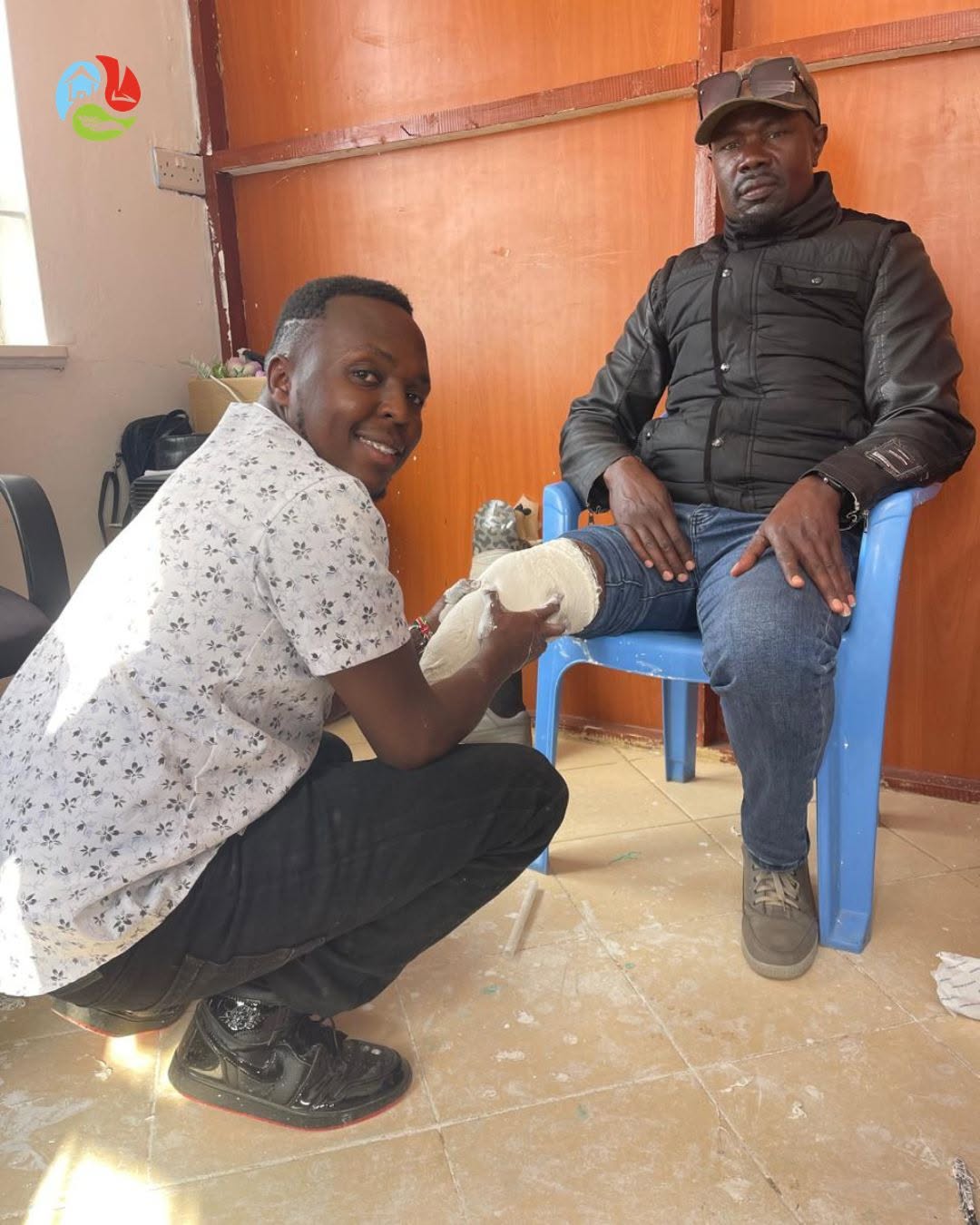
Identify
Partner with county health teams to locate underserved populations.
Mobilise
Coordinate logistics, clinical staff, and local partners ahead of the camp.
Deliver
Run multi-day clinics offering assessment, device fitting, and rehab guidance on-site.
Refer & follow up
Connect patients needing ongoing care to the nearest centre or partner facility.
Where we have been
A county government or hospital can request a Prime Point outreach camp.
We work with partners to bring care closer to communities that need it most.